
posted 20th March 2026

The Corporate Finance Adviser’s Role in Management Buyouts
Insights from Eastwood Anglo’s Approach to MBO Transactions
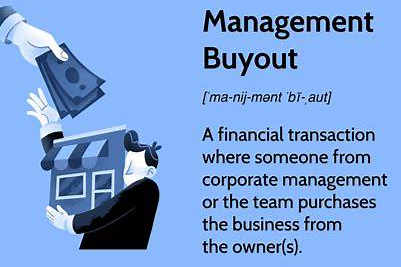
Management buyouts (MBOs) are among the most complex and strategically significant transactions in corporate finance. They enable management teams to acquire ownership of the business they operate, often unlocking growth potential, aligning incentives, and creating long-term value. However, the success of an MBO depends heavily on expert financial guidance.
A corporate finance adviser plays a central role in structuring, negotiating, and executing these transactions. Firms such as Eastwood Anglo, with deep experience in mid-market corporate finance advisory, provide the strategic insight, transaction management, and capital structuring expertise required to ensure successful outcomes.
______________
Understanding the Management Buyout
A management buyout occurs when the existing management team acquires a controlling stake in the business they manage, typically from founders, private shareholders, or corporate parents. MBOs are particularly common in situations such as:
- Owner succession or retirement
- Corporate divestitures
- Shareholder realignment
- Private equity exits
- Strategic repositioning of the company
While management teams bring operational knowledge and continuity, they often require significant financial structuring and external funding to complete the acquisition. This is where the corporate finance adviser becomes indispensable.
______________
Strategic Leadership Throughout the Transaction
The corporate finance adviser acts as the architect and project manager of the MBO process. Their role begins long before financing discussions and continues through to deal completion.
At Eastwood Anglo, advisory work typically starts with helping management teams clarify the strategic rationale for the buyout. This includes assessing:
Whether the business is suitable for an MBO structure
- The potential value of the company
- Funding capacity and leverage levels
- The strength of the management team
- Investor appetite within the relevant sector
By conducting this early-stage assessment, advisers ensure that the transaction is both feasible and attractive to lenders and investors.
______________
Valuation and Deal Structuring
One of the most critical responsibilities of the corporate finance adviser is determining the appropriate valuation and deal structure.
Advisers analyse financial performance, growth prospects, market positioning, and comparable transactions to arrive at a robust valuation framework. They also help structure the transaction in a way that balances:
- Shareholder expectations
- Management ownership incentives
- Investor returns
- Debt capacity
Eastwood Anglo’s experience in mid-market transactions enables the firm to structure deals that are commercially realistic while maximising value for all stakeholders. This often involves designing layered capital structures that combine senior debt, mezzanine financing, private equity investment, and management equity participation.
______________
Raising and Negotiating Funding
MBOs almost always require external capital. Corporate finance advisers therefore play a key role in identifying and negotiating with funding partners.
This typically involves:
- Preparing detailed financial models and information memoranda
- Approaching banks, private equity firms, and alternative lenders
- Running competitive funding processes
- Negotiating financing terms and investment structures
Eastwood Anglo leverages strong relationships across the funding community to identify partners that align with the management team’s long-term strategy. The adviser ensures that financing terms remain sustainable for the business while delivering the required capital for the acquisition.
One common misconception we see is that the management team need to fund the full deal consideration. They don't! This often means management teams don't see themselves as being a potential buyer for the business, even though they are best please to carry out the transaction. Our role is key to managing this process and advising on what contribution is needed from the management team. In general terms it needs to be meaningful, but it's often less that management teams think is required!
______________
Managing the Transaction Process
An MBO involves multiple stakeholders and advisers, including lawyers, accountants, lenders, and investors. Without careful coordination, transactions can become delayed or lose momentum.
- Corporate finance advisers act as the central project manager, overseeing:
- Transaction timelines
- Due diligence processes
- Information flows between parties
- Negotiation of commercial terms
- Final completion mechanics
By maintaining structure and discipline throughout the process, firms like Eastwood Anglo ensure that management teams can remain focused on running the business while the transaction progresses.
______________
Aligning Management and Investor Interests
A successful management buyout requires alignment between management and financial backers. The corporate finance adviser plays a vital role in designing incentive structures and governance frameworks that support long-term value creation.
This includes structuring:
- Management equity participation
- Ratchets and performance incentives
- Board governance arrangements
- Exit planning for investors
Eastwood Anglo’s advisory philosophy emphasises building partnerships between management teams and investors that enable both operational growth and future exit opportunities.
______________
The Legal Process in a Management Buyout
Alongside financial structuring and funding arrangements, the legal process is a critical component of any management buyout. MBO transactions involve multiple stakeholders—including selling shareholders, management teams, lenders, and investors—and require careful legal coordination to ensure that the transfer of ownership is properly structured and documented.
The process typically begins with the negotiation of heads of terms, which outline the key commercial principles of the transaction. These preliminary agreements establish the proposed valuation, structure of the deal, funding arrangements, and the intended ownership distribution between management and investors.
Once terms are agreed in principle, the parties move into the due diligence phase. Legal advisers review the company’s contracts, corporate structure, regulatory compliance, intellectual property, employment arrangements, and any potential liabilities. This process allows investors and lenders to confirm the underlying strength of the business and identify any risks that may affect the transaction.
The core legal documentation for an MBO generally includes:
- Share Purchase Agreement (SPA) – governing the sale and purchase of the company’s shares
- Investment Agreement – setting out the terms of equity investment from private equity or other investors
- Shareholders’ Agreement – defining governance arrangements, voting rights, and future exit mechanisms
- Financing agreements – documenting debt facilities provided by lenders
- Management incentive arrangements – outlining equity participation and performance incentives for the management team
These documents collectively define the rights, obligations, and protections of each party involved in the transaction.
Corporate finance advisers such as Eastwood Anglo play an important coordinating role throughout this stage. While legal advisers draft and negotiate the documentation, the corporate finance adviser ensures that the commercial objectives of the transaction remain aligned with the agreed financial structure and strategic goals of the management team.
Once legal documentation has been finalised and financing is secured, the transaction proceeds to completion, at which point ownership of the company transfers to the new shareholder group and the management team formally becomes equity owners in the business.
A well-managed legal process is therefore essential to ensuring that the management buyout proceeds smoothly and that the resulting ownership structure supports the company’s long-term growth strategy.
______________
Delivering Long-Term Value
The completion of a management buyout is not simply a financial event; it represents the beginning of a new phase in the company’s development. The adviser’s role is therefore focused not only on closing the deal but also on positioning the business for sustainable growth and future strategic options.
Through careful structuring, strong funding relationships, and disciplined execution, corporate finance advisers help ensure that management buyouts deliver:
- Ownership alignment
- Strategic independence
- Access to growth capital
- Clear pathways to future value realisation
______________
Eastwood Anglo’s Expertise in advising on MBOs
Eastwood Anglo brings deep experience advising entrepreneurs, management teams, and shareholders on complex corporate finance transactions. The firm’s approach combines strategic insight, rigorous financial analysis, and hands-on transaction management, enabling management teams to navigate the challenges of an MBO with confidence.
By guiding clients through valuation, funding strategy, investor negotiations, and deal execution, Eastwood Anglo helps transform management ambition into successful ownership transitions.
Please see a link to our case studies page - Advocet, QS Recruitment, Camloc and Samuel Eden & Sons are examples of MBOs we have advised on